
Air lane · US
Helicopter operations
Aerial fire support and supply drops connect Pilot and Logistics Officer roles to the ground fight.
Follow air operations →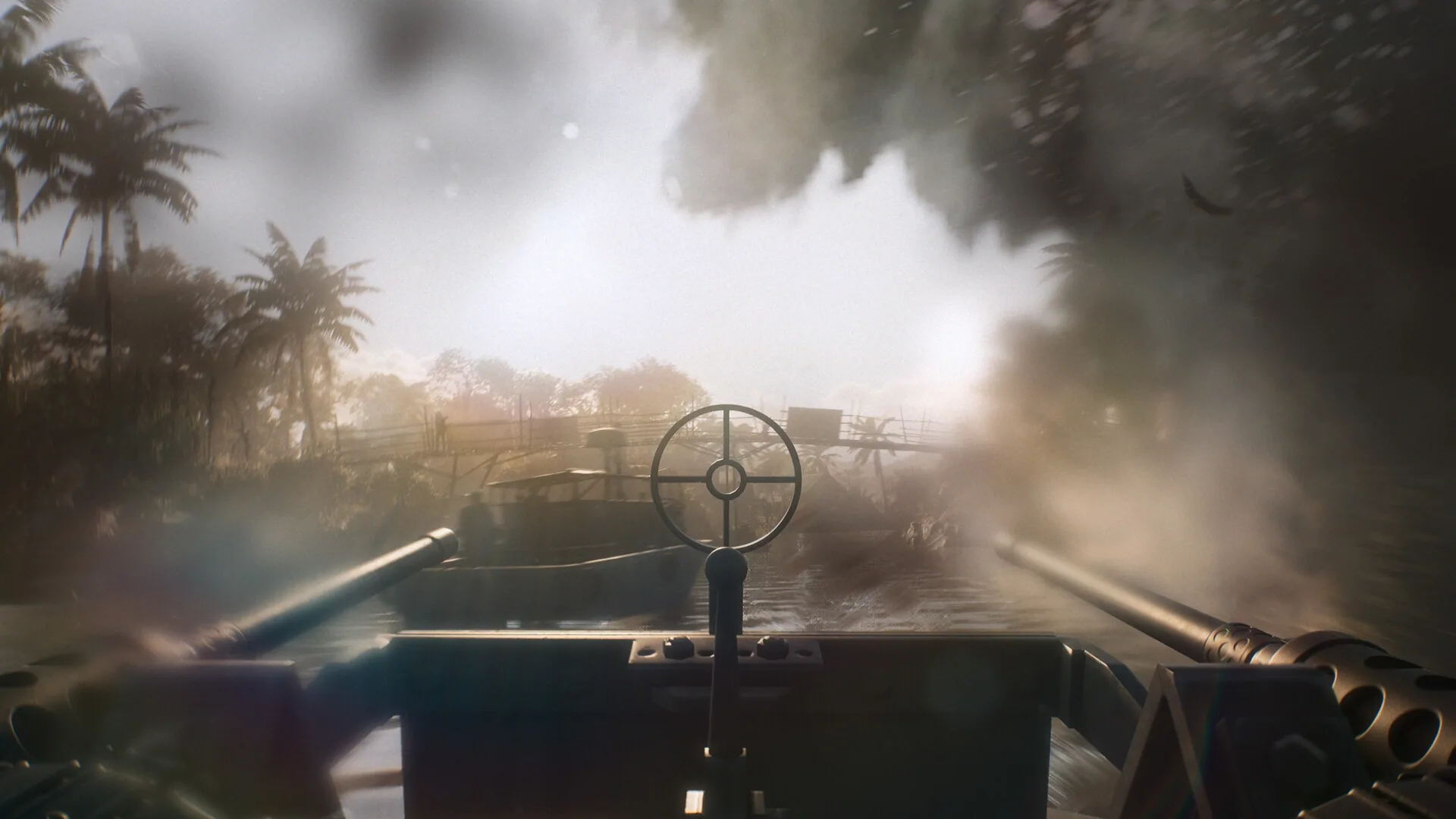
Launch build · 13 August 2026
Start with the current 50-versus-50 launch surface of Hell Let Loose: Vietnam: six battlefields, seventeen roles, US helicopter operations, NVA tunnel networks and armed patrol boats across waterways.
01 First deploymentTutorial → role → squad → battlefieldThree connected surfaces
The current build joins faction-specific support to shared movement and command. This matrix keeps the three confirmed Vietnam systems connected without inventing routes, coordinates or tactical overlays.
Aerial fire support and supply drops connect Pilot and Logistics Officer roles to the ground fight.
Follow air operations →Buildable tunnel networks create an asymmetric NVA support surface inside the wider squad-and-command loop.
Enter tunnel brief →Armed patrol boats, swimming and waterway approaches connect both sides to river crossings and port combat.
Read river tactics →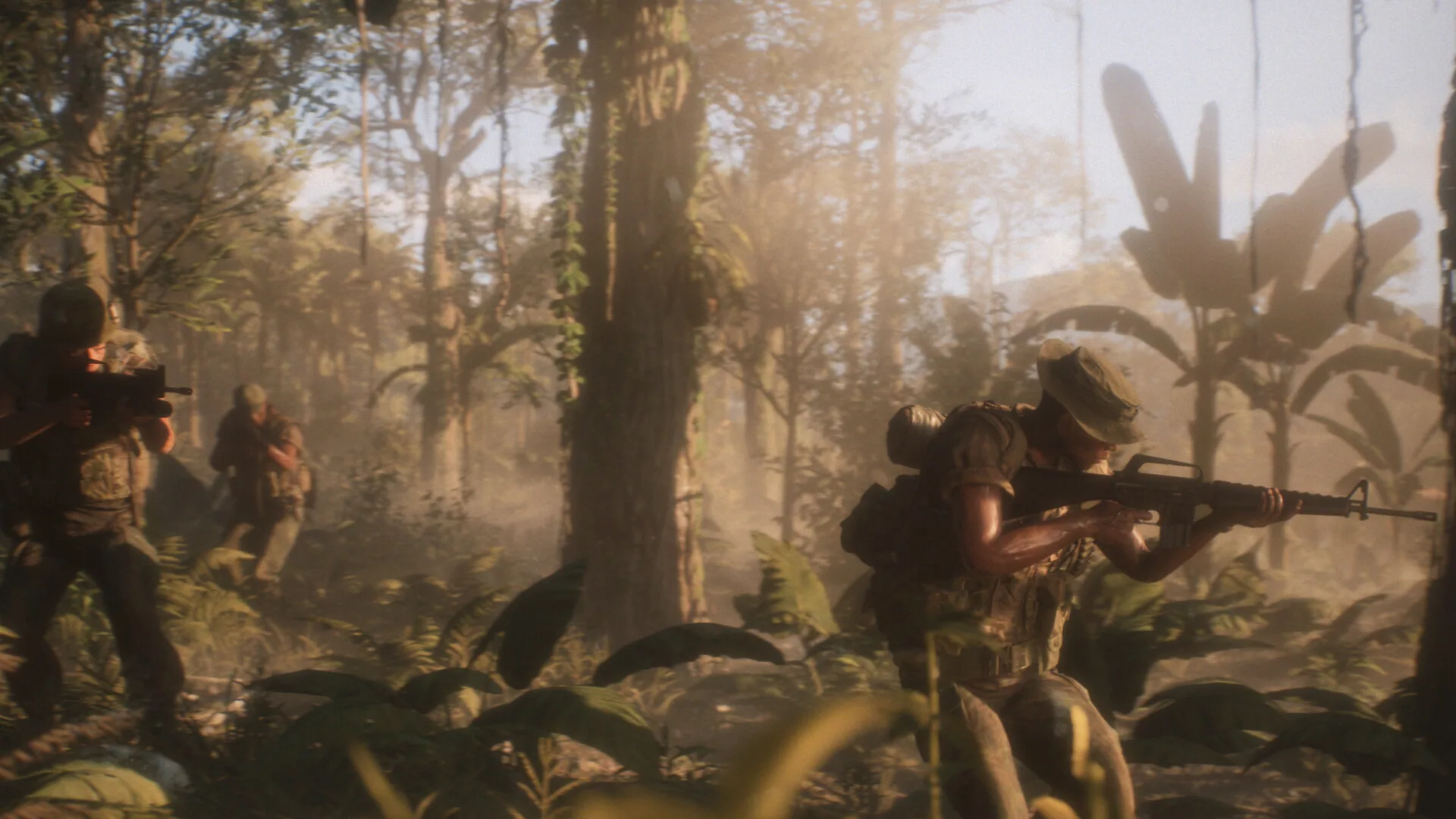
Ground reading slab
The sealed roster groups Commander, Infantry, Recon, Armour, Helicopter and Mortar Squad roles by battlefield purpose. The role index lets a new player filter the entire seventeen-record current roster by unit and side availability.
Scan all roles →
Current version
The wiki is bound to the launch build dated 13 August 2026. Release history remains switchable across announcement, beta, crossplay playtest, launch and post-launch roadmap context; unsupported weapon statistics and spatial coordinates stay outside the interface.
Trace the release path →Official contact channel · 3 plates
All three gallery frames are hash-bound official Steam images allowed on this route. Select a plate to change the wide documentary view.
Hell Let Loose: Vietnam Reveal Trailer
See the official reveal in motion, then return to the waterline plates for the launch-build reading.
Hell Let Loose: Vietnam Reveal Trailer
Current build
The familiar Hell Let Loose foundation still begins with command, squads and a large frontline, but Vietnam changes the routes a squad can take. US Forces connect aerial fire support and supply drops to helicopter roles. The NVA side can build tunnel networks that give its defensive and attacking plans a different underground layer. Both factions can meet on river networks where heavily armed patrol boats change how a crossing is staged. Swimming, climbing, fast crawling and dragging an injured player also make a short movement decision matter when the ground is exposed.
The launch surface is broad without being vague. The current Steam roster contains seventeen roles arranged across Command, Infantry, Recon, Armour, Helicopter and Mortar Squad units. The two helicopter roles are US-only; Commander, Squad Leader and the ordinary infantry, reconnaissance, armour and mortar roles are available to both sides in the captured roster. That division is useful before a first match because it explains why a squad request may be about logistics, a firing line, a boat route or a command decision rather than another rifle in the trench.
Field note
The current product is Hell Let Loose: Vietnam, developed by Expression Games and published by Team17. Steam App 3079210 records the product as released on 13 August 2026. The platform surface describes online PvP, cross-platform multiplayer and achievements on Steam, while the wider platform record covers Steam, Epic Games Store, PlayStation 5 and Xbox Series X|S with different store and access notes. Start with the platform page when you need a purchase or requirements answer; start with the field brief when you need a first-match answer.
The six launch maps are not interchangeable backdrops. Thanh Hóa Bridge centers a river crossing and the Dragon’s Jaw context. Huế Outskirts mixes mountains, terraces, jungle, industrial bases and waterways. Vạn Tường uses a semi-urban river network, Quảng Ngãi brings flooding, cliffs, caves and bamboo, Đắk Tô Airfield opens runway sightlines, and Cam Ranh Port adds docks, dunes and logistics space. The terrain list is a planning tool: it tells a squad what kind of approach may stay concealed and what kind of crossing may become the fight.
Field note
Command and squads are the first surface. Chain of command gives a large match a readable structure, while squad teamwork turns a sector into a shared task rather than a collection of solo routes. Helicopters are the second: US air support and supply drops connect pilots and Logistics Officers to the ground fight. Tunnels are the third: buildable NVA networks give the North Vietnamese Army a support surface with a distinct tactical identity. These are not menu categories; they are reasons to ask what your unit needs before choosing a spawn or crossing.
Riverine combat and enhanced movement complete the five-signal strip. Patrol boats can make a waterway a route, a threat and a supply problem at once. Swimming and climbing widen the set of places a player can reach, fast crawling changes how a wounded player can be recovered, and casualty dragging keeps a dangerous gap from becoming an automatic loss. The combination rewards a squad that names the next piece of ground clearly: bridge, dock, tunnel, runway, terrace, boat lane or jungle edge.
Field note
If the immediate task is joining a first match, use First deployment. It lays out a short checklist, a role decision and the order in which to read a map. If the task is choosing a class, use Roles and filter the roster by unit or side. If a commander needs a map callout, Battlefields keeps all six records visible and lets a query such as runway reach Đắk Tô Airfield. If a new mechanic is the problem, Systems splits command, helicopters, tunnels, riverine combat and movement into separate field notes.
The Intel group handles the questions that sit around the match. Editions and platforms holds store-specific access and the achievement record. Support puts the minimum and recommended PC targets beside official help. Timeline and Updates separate the dated release path from the current community surface. FAQ answers the recurring practical questions, while Terminology keeps Warfare, Offensive, sectors, chain of command and the faction language consistent when a voice channel gets busy. The route choice is part of the field task: open the shortest useful file first, then follow a source link when the question depends on a live platform or support state.